The Revolt of the Pedestrians by David H. Keller
04 Sunday Dec 2016
Posted in Uncategorized
04 Sunday Dec 2016
Posted in Uncategorized
30 Wednesday Nov 2016
Posted in Uncategorized
25 Friday Nov 2016
Posted in Uncategorized
 Robert Graves and Didier Madoc-Jones, aerial photograph Jason Hawkes
23 Wednesday Nov 2016
23 Wednesday Nov 2016
20 Sunday Nov 2016
The former road, located alongside Tower Hamlets Cemetery Park, was given to Friends of Tower Hamlets Cemetery Park in 1990s. Once home to a burnt out car, the Friends have sensitively re-wilded the road by bashing the concrete to open up drainage to the ground beneath.
Rather than remove the road surface at great cost and environmental impact, it has been covered in soil, sand and chalk to create the ideal conditions for a diverse and rich habitat.
Teasels, briar rose, wild rocket and meadows provide food for wildlife and humans right on their doorstep. No air or road miles which increase air pollution, congestion and carbon emissions.
Most memorable taste sensations were juniper berries, freshly plucked from the tree. These are technically little pine cones. They mix aromatic pine with piquant peppercorn in a complex flavour delight worthy of any Michelin star restaurant. I was also impressed by allium triquetrum or three cornered leek which provides year round green vegetation.
Today I made a mushroom and wild rocket risotto with foraged, locally sourced food from a re-wilded road. A simple, delicious meal but with immense potential to transform our urban environment: Sustainable Urban Drainage, foraged food, thriving wildlife and a beautiful place to restore and re-connect with nature.

Posted by vreadhead | Filed under Uncategorized
19 Saturday Nov 2016
Posted in Uncategorized
15 Tuesday Nov 2016

http://www.c40.org/case_studies/seoul-car-free-days-have-reduced-co2-emissions-by-10-annually
Posted by vreadhead | Filed under Uncategorized
16 Sunday Oct 2016
14 Friday Oct 2016
Posted in Uncategorized

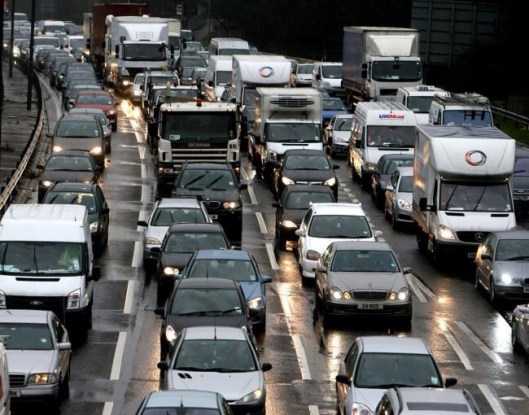

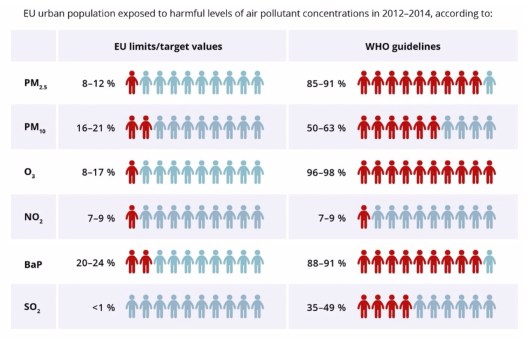


 Ban Private Cars in London